Massachusetts 2026 Policy Outlook: Elections, Affordability, and Legislative Priorities
As Massachusetts enters a pivotal election year, shifting fiscal conditions and mounting affordability pressures are reshaping the policy landscape. This outlook examines the forces shaping Beacon Hill and offers context for what to watch as policy priorities and political dynamics converge in 2026.
Key Takeaways
- Elections Will Dominate 2026: The gubernatorial race, all legislative seats, and a record number of ballot initiatives will shape the posture of both legislative and executive offices. We can expect lawmakers to seek policy “wins” before September primaries, while others focus on fundraising and securing their seats.
- Fiscal Pressures on Budget Policy: Declining revenue trends, federal funding cuts, and a proposed ballot initiative to reduce the state income tax rate will heavily influence budget negotiations and priorities. Stakeholders will be anticipating the Governor’s FY2027 budget proposal on January 28.
- Housing, Transportation, and Energy Remain Central: Significant investments in these sectors will keep them at the forefront of policy discussions. From a push to build more homes, an $8 billion plan to address transportation issues, and calls for both energy affordability and climate awareness by different groups of constituents in the Commonwealth, these sectors will continue to dominate Beacon Hill at every level.
- Affordability, Affordability, Affordability: Affordability and competitiveness have reigned as the Massachusetts policy “slogans.” These will remain prominent, alongside continued emphasis on political transparency following recent ballot initiatives and rules changes. However, with federal cuts, a cold front early in the year, and collective understanding of the high costs in Massachusetts, affordability is our vote as the dominant theme.
Elections
Gubernatorial Race
Governor Maura Healey and Lieutenant Governor Kim Driscoll are running for re-election. Republican primary contenders are:
- Mike Kennealy (former Housing & Economic Development Secretary)
- Brian Shortsleeve (former MBTA administrator)
- Michael Minogue (former CEO, Abiomed Inc.)
The Massachusetts Republican Party plans to hold an April nominating convention prior to the September primaries. These gubernatorial candidates are likely to bolster their positions through a focus on affordability, migration, and their vision for future leadership of the Commonwealth. However, Governor Healey remains a very strong incumbent. Her official re-election video underscores her intention to maintain a clear focus on lowering costs, pushing back against the federal administration, defending health care access, and strengthening Massachusetts’ workforce and innovation economy.
Attorney General
Attorney General Andrea Joy Campbell is running for re-election. While challengers are yet to be announced, the Attorney General has remained active in challenging the federal administration. Her core focus on affordability and consumer protection — particularly related to fraud, energy, and civil rights — is likely to remain fundamental to her re-election campaign. The uncertainty surrounding the federal administration in 2026 paired with her forward posture throughout the year with over 45 lawsuits against the Trump administration are features likely to remain central to her re-election messaging as well. She has been endorsed by several Massachusetts congressional leaders as well as Governor Healey and Lieutenant Governor Driscoll.
Other Statewide Executive Races
- Secretary of the Commonwealth
- Secretary Bill Galvin has held this role for over 30 years. A lifelong Democrat, he is a strong advocate for Election Day registration and passage of the Votes Act, which would make “no excuse” Vote by Mail permanent in Massachusetts.
- Treasurer
- Treasurer Deborah Goldberg has held this role for over 10 years. She was challenged at the end of 2025 by Elizabeth Dionne, a select board member in Belmont and a registered Republican. This race is likely to focus on Treasurer Goldberg’s involvement with the Cannabis Control Commission and legal battle with Shannon O’Brien. While Treasurer Goldberg continues to emphasize her commitment to creating economic opportunities and stability in Massachusetts, Dionne has shared her focus on transparency and more controlled spending.
Ballot Initiatives
On January 7, Secretary Galvin was required to send certified ballot initiatives to the Massachusetts General Court. The Legislature can pass the measure, propose a substitute, or take no action. Below are the submitted initiatives:
- An Initiative Petition to Protect Tenants by Limiting Rent Increases
- Initiative Petition for a Law to Allow Single-Family Homes on Small Lots in Areas with Adequate Infrastructure
- An Initiative Petition for a Law to Implement All-Party State Primaries
- Initiative Petition for a Law Relative to Election Day Registration
- Initiative Petition for a Law to Improve Access to Public Records
- Initiative Petition for an Act to Reform and Regulate Legislative Stipends
- Initiative Petition for a Law Relative to Reducing the State Personal Income Tax Rate from 5% to 4%
- Initiative Petition for a Law Relative to Limiting State Tax Collection Growth and Returning Surpluses to Taxpayers
- Initiative Petition for a Law to Protect Water and Nature
- Initiative Petition for a Law Relative to Regulating Marijuana
- Initiative Petition for a Law Relative to Labor Relations Policies for Committee for Public Counsel Services Employees
If the Legislature does not pass the measure as filed before the first Wednesday in May, the petitioner must then collect 12,429 more signatures and file them with local election officials for certification 14 days before the first Wednesday in July and with the Secretary by the first Wednesday in July. After enough signatures are filed, the measure is then placed on the ballot for the next statewide general election.
Energy
Massachusetts enters 2026 with energy affordability, rising demand, innovation, and climate commitments shaping the policy landscape. Governor Healey’s Energy Affordability, Independence & Innovation Act (H. 4144) has effectively transitioned into the House Telecommunications, Utilities and Energy Committee’s revised package, H. 4744, which initially scaled back certain climate provisions while restructuring affordability measures; it now awaits action in Ways and Means. Following sharp pushback from environmental advocates, recent House discussions have pulled back from those earlier rollbacks, reaffirming that 2030 climate goals will remain intact in the forthcoming bill. Meanwhile, Republican lawmakers have filed their own competing proposal, adding to the policy debate as winter energy costs heighten pressure on legislators to prioritize affordability without abandoning long‑term emissions targets. Offshore wind and clean energy innovation continue to pose major challenges: project delays and President Trump’s opposition have complicated progress toward the state’s climate goals, prompting Governor Healey and other governors to defend their commitments and pursue creative strategies to sustain momentum in clean energy development.
Governor Healey started off the morning of her State of the Commonwealth address with an announcement that the state will spend $180 million as part of a bid to temporarily reduce residential electric and gas bills this winter. Under the plan, electric bills would be reduced by 25% and natural gas bills by 10% for “every Massachusetts residential utility customer” in February and March 2026, with the state covering the cost of some of the reductions. She also highlighted increased scrutiny of additional fees on energy bills, utility energy purchase rates, and utility rate hikes. Finally, Governor Healey is keen on bringing in a diversified portfolio of energy to Massachusetts, beginning with the recent deployment of a hydroelectric power line from Canada that is said to provide 20% of electricity needs and save $50 million.
Housing and Transportation
Boosting housing production and achieving more affordable housing will remain a priority in 2026. Following the Affordable Care Homes Act in 2024, housing remained a critical investment area within the Healey administration’s $16.6 billion Capital Investment Plan (FY2026 – 2030) to support housing development, municipal infrastructure, and targeted economic growth. Governor Healey has made it clear that she intends to focus on building more and faster. Executive office initiatives plan to transform currently abandoned and underutilized spaces into homes, provide down-payment relief for families, and build on their affordability platform following the 2025 ban on broker fees.
Transportation is also set to be a focal point with a historic $8 billion commitment to roads, bridges, transit, and EV infrastructure over the next 10 years. This comes alongside the 2025 appointment of Phillip Eng as Interim Transportation Secretary. More bridges, increased train frequency, and lowered traffic have been set as 2026 priorities.
Health Care
After calls from Governor Healey to extend health care credits in response to federal government changes, health care will remain key to the state’s efforts in 2026. Senator Cindy Friedman, the Senate’s point person on most health care matters, said she expects a vote on some form of primary care reforms in 2026. This comes after the creation of a Primary Care Task Force focused on creating and recommending solutions for an aging workforce and reduced number of primary care officials. Additional initiatives likely to take shape in 2026 include expanding mental health access, addressing new insurance coverage implications, and tackling persistent provider shortages. Governor Healey has also advanced several affordability-focused proposals, such as creating a Healthcare Affordability Working Group, prohibiting medical debt from being reported to credit agencies, and eliminating prior authorization requirements when a doctor has already approved care.
Education
Massachusetts enters 2026 with education poised to remain a defining policy priority for both the Governor and the Legislature. Governor Healey continues to emphasize maintaining the Commonwealth’s #1 national standing in education, advancing universal pre‑K in all Gateway Cities by 2026, implementing a new statewide high‑school graduation standard that includes financial literacy, and a long‑term goal of enrolling 100,000 students in early college programs within the next decade. At the same time, the Legislature is driving a parallel agenda centered on evidence‑based literacy and cellphone‑free schools. These efforts align with Governor Healey’s newly announced plan to impose strict oversight on social media platforms, including age verification and parental consent requirements to mitigate the documented harms social media poses to youth. Together these priorities signal a 2026 legislative landscape focused on student well‑being, academic rigor, and reducing digital risks.
Fiscal Health
The Commonwealth will enter the 2027 budget cycle with Governor Healey set to release her fiscal plan on January 28. This announcement, however, comes against the backdrop of state tax revenues projected to grow only slightly above the inflation rate, ongoing ballot initiatives aimed at limiting state revenue collections and reducing personal income taxes, and widespread concern about rising property tax burdens. While both the executive and legislative branches continue working to respond to constituent worries about affordability, 2026 is expected to remain a fiscally constrained year. The State will also need to stay attentive to federal developments throughout the year, as they will shape both near‑term decisions and longer‑term budget planning. Additionally, legislators will be increasingly focused on local aid and community‑level priorities, reflecting heightened pressure to deliver tangible relief and investments in their districts.
Federal
Massachusetts voters face a large federal election cycle in 2026, as all nine US House seats and one US Senate seat are contested. The Massachusetts Senate race centers on incumbent Democrat Ed Markey, who is seeking a third full term, with key contenders including US Representative Seth Moulton and several newcomers. On the House side, all nine districts are expected to remain Democratic.
Governor Healey closed her State of the Commonwealth address with a quote from former Governor Sam Adams, urging the public to “Never despair.” Framing her remarks with both steadiness and optimism, she signaled that the year ahead will be closely watched. As executive and legislative priorities converge with election‑year dynamics and a challenging federal climate for the Commonwealth, each policy move will carry heightened significance, not only for the day‑to‑day livelihood of Massachusetts residents, but also for the political landscape shaping their votes.
Content Publishers
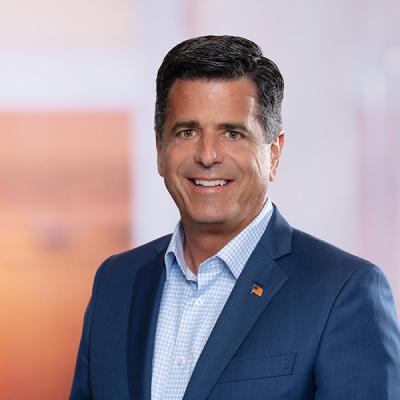
Steven A. Baddour
Executive Vice President & Director of Operations

Daniel J. Connelly
Senior Vice President and Compliance Officer

Taylor C. Shepherd
Vice President of Government Relations